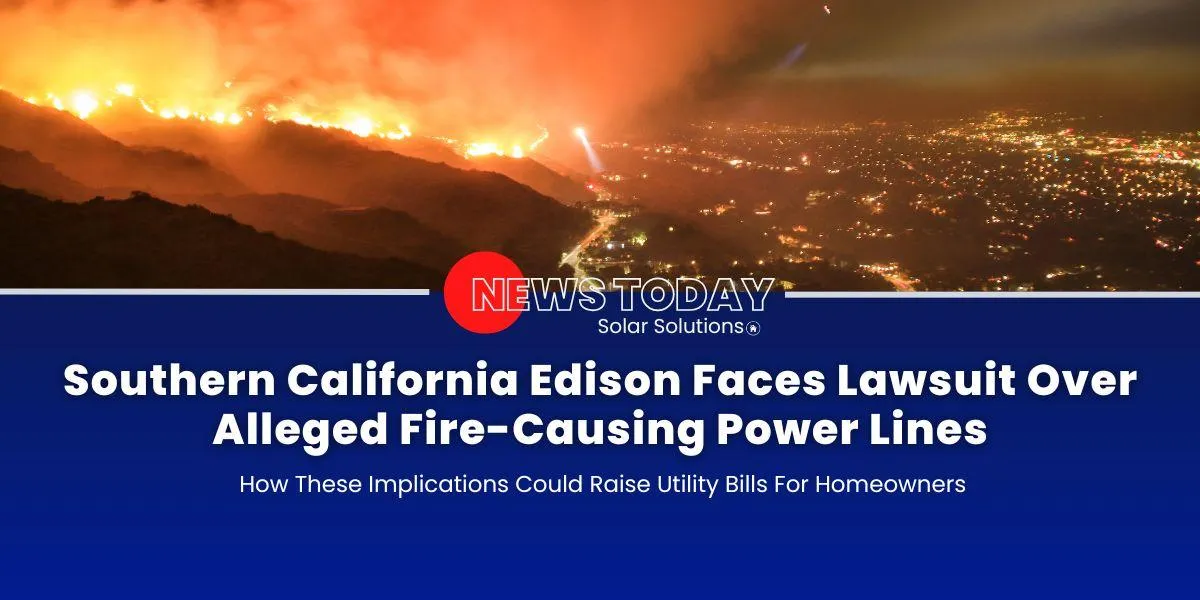
Southern California Edison Faces Lawsuit Over Alleged Fire-Causing Power Lines: How These Implications Could Raise Utility Bills For Homeowners
SCE Faces Legal Challenges Over 2025 Eaton and Hurst Wildfires
In a recent legal development, Southern California Edison (SCE) is confronting a series of lawsuits related to its alleged involvement in sparking the 2025 Eaton and Hurst wildfires. Plaintiffs argue that SCE's electrical infrastructure and management practices were significant factors in igniting these devastating fires.
Background on the Fires
The Eaton and Hurst fires, which occurred in 2025, caused widespread damage across Southern California, affecting thousands of acres, destroying homes, and forcing numerous residents to evacuate. These fires have added to the alarming trend of increasing wildfire occurrences in the region, raising questions about the roles and responsibilities of utility companies like SCE in wildfire prevention and safety.
Legal Accusations Against SCE
The lawsuits allege that SCE failed to properly maintain and upgrade its electrical infrastructure, contributing to the fires' ignition. Critics argue that outdated equipment, along with a lack of adequate vegetation management around power lines, created conditions ripe for the outbreak of wildfires under the adverse weather conditions prevailing at the time.
Implications for Consumers and SCE
These legal challenges could have significant financial implications for SCE and its consumers. Historically, similar lawsuits have led to hefty settlements and increased operational costs for utility companies, often passed on to consumers in the form of higher energy rates. Additionally, the lawsuits spotlight the need for utility companies to invest in updating infrastructure and implementing more rigorous wildfire prevention measures.
New Report Shows Utility Rates in California Are Set to Outpace Inflation Through 2027 as Residents Face $27 Billion in Wildfire Fees
Comparing with Previous Incidents
This is not the first time SCE has faced litigation over wildfires. Previous incidents have similarly seen the company taken to court over its role in sparking major fires, leading to significant financial settlements and increased scrutiny of its practices related to infrastructure maintenance and fire prevention.
Moving Forward
As these lawsuits progress, they underscore the ongoing debate around utility company responsibilities in the age of increasing wildfire risks. The outcomes may influence future regulatory policies and encourage further investments in technology and practices aimed at preventing wildfire outbreaks linked to power utility equipment.
For residents and stakeholders, the unfolding legal battles against SCE serve as a critical reminder of the interconnectedness of environmental stewardship, corporate accountability, and community safety in mitigating the impacts of and preventing future wildfires.
When utility companies like SCE face significant lawsuits, several key areas can be affected, impacting consumers in various ways:
Legal and Settlement Costs: The immediate financial burden comes from legal defenses and potential settlements or judgments. These expenses can be substantial, requiring SCE to allocate considerable financial resources to address the lawsuits.
Insurance Premiums: Typically, following large-scale litigation, a utility company might see an increase in its insurance premiums. This rise in operational costs can indirectly affect consumers through higher utility rates, as companies seek to balance their books.
Investment in Infrastructure: Post-litigation, there's often a push—both internally and from regulatory bodies—for utility companies to invest in infrastructure improvements to prevent future incidents. While essential for safety and compliance, these upgrades can be costly, potentially leading to increased rates for consumers to fund these capital investments.
Regulatory Fines and Compliance: Aside from direct litigation costs, SCE could face regulatory fines and be required to comply with new, stricter standards. Meeting these standards can necessitate further investment in technology, training, and infrastructure, again potentially leading to higher costs for consumers.
Stock Market and Investor Confidence: Lawsuits of this magnitude can affect SCE's stock market performance and investor confidence. Fluctuations in stock value and investment patterns can have long-term implications for the company's financial health and its ability to invest in consumer benefits, sustainability practices, and innovation.
Public Perception and Consumer Trust: The reputational damage from these lawsuits can affect consumer trust in SCE. Restoring this trust might require SCE to invest in community relations and other initiatives, which, while potentially beneficial in the long term, require upfront costs.
Drawing from previous incidents like the Thomas and Woolsey fires, consumers bore some economic impact through increased rates and infrastructure surcharges. Regulatory bodies often step in to oversee how costs related to settlements and improvements are distributed, aiming to balance the financial stability of the utility with consumer protection.
In conclusion, the economic impact of the lawsuits tied to the Eaton and Hurst fires is likely multifaceted, affecting SCE and its consumers in various direct and indirect ways. Improving infrastructure to prevent future incidents, though costly, is essential for reducing long-term risks and costs. As the legal processes unfold, keeping an eye on regulatory decisions will be key in understanding the full extent of the economic impacts on consumers.

