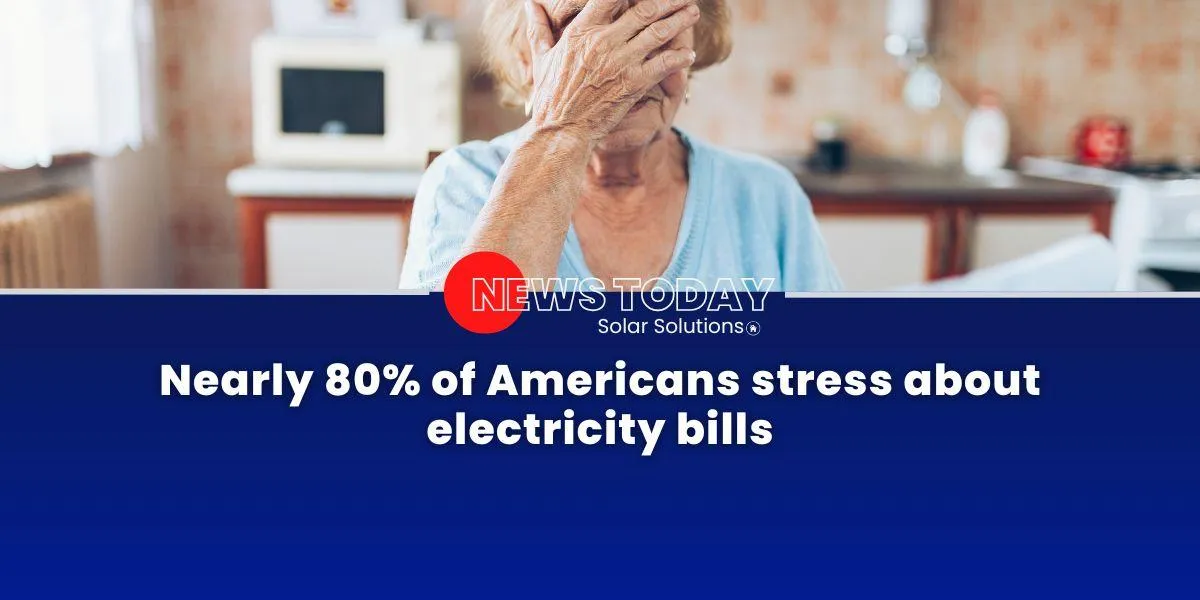
Nearly 80% of Americans stress about electricity bills
In today's economy, where financial pressures are mounting, Americans are increasingly feeling the pinch when it comes to high energy bills. A recent survey conducted by CNET reveals that a staggering 78% of respondents are stressed about their energy costs. This article delves into the reasons behind this stress, its implications, and potential solutions.
The Growing Concern Over Energy Costs
As energy prices continue to soar, many households find themselves grappling with monthly bills that strain their budgets. The survey highlights a significant trend: rising energy bills are not just a statistic but a tangible source of anxiety for millions. According to experts, fluctuating energy prices, coupled with increased consumption during seasonal extremes, contribute to this growing concern.
Economic Factors Driving Up Energy Prices
Several economic factors converge to drive up energy costs. The aftermath of global events, supply chain disruptions, and increased demand all play crucial roles. As energy sources become scarcer and more expensive, consumers are left to shoulder the burden. This situation is exacerbated by geopolitical tensions and climate-related issues, which can create uncertainties in energy markets.
Demographic Insights: Who's Most Affected?
The survey conducted by CNET indicates that the stress from high energy costs does not affect all demographics equally. Lower-income households experience more significant strain, with a larger percentage reporting that energy bills severely impact their everyday lives. Interestingly, younger demographics are also feeling the heat, indicating a shift in awareness surrounding energy costs and financial management.
Emotional and Psychological Impacts
The psychological ramifications of financial stress are well-documented. The anxiety stemming from high energy bills can lead to broader issues, including mental health challenges. When families are forced to make tough choices between essential expenses, such as food and utilities, the emotional toll can be significant. The survey underscores the importance of addressing not just the financial aspects but also the psychological burden placed on consumers.
Strategies for Managing High Energy Bills
While consumers may feel powerless in the face of rising costs, there are strategies to alleviate some of the financial strain:
1. Energy Efficiency Improvements:
Investing in energy-efficient appliances and home improvements can yield long-term savings. Simple changes, like sealing windows or using smart thermostats, can make a significant difference.
2. Budgeting and Planning:
Establishing a budget that incorporates energy costs can help families prepare for fluctuations. By anticipating higher bills during certain months, consumers can better manage their finances.
3. Utility Assistance Programs:
Many states offer assistance programs for those struggling with high utility bills. These programs can provide temporary relief and help households avoid disconnections.
The Role of Government and Policy
As energy costs rise, the need for effective policies becomes ever more pressing. Governments must consider ways to regulate energy prices and support vulnerable populations. Investment in renewable energy sources can also help stabilize prices long-term and promote sustainability.
The Path Forward
The stress of high energy bills is a concerning reality for many Americans, warranting attention from both consumers and policymakers. By understanding the economic factors at play, recognizing the emotional impact, and actively seeking solutions, individuals can regain some control over their financial health. As we navigate this challenging landscape, it is crucial to promote awareness, encourage energy efficiency, and support policies that safeguard consumers from the burden of escalating energy costs.
By fostering a proactive approach, we can mitigate the challenges posed by high energy bills and work towards a more sustainable and financially manageable future for all.

