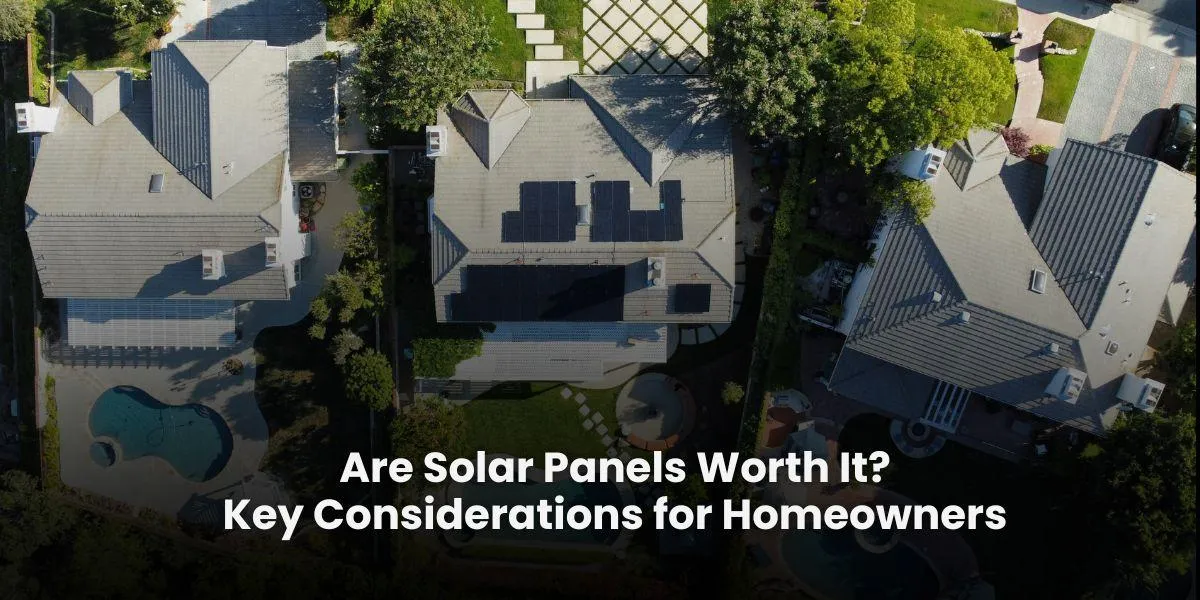
Are Solar Panels Worth It? Key Considerations for Homeowners
Solar panels are becoming an increasingly popular choice for homeowners looking to reduce their energy bills and minimize their environmental impact. However, determining whether solar panels are a worthwhile investment involves weighing several factors, including cost, savings, location, and energy needs. Here’s what you need to know to make an informed decision.
1. Initial Costs vs. Long-Term Savings
Upfront Investment: The cost of purchasing and installing solar panels can be significant. This investment includes not only the panels themselves but also other components of the solar system such as inverters, batteries (if opting for a storage system), and the cost of installation.
SEE IF YOUR HOME QUALIFIES FOR SOLAR PANEL AND BATTERY GRANTS
Long-Term Savings: Solar panels can significantly reduce or even eliminate your monthly electricity bills. Additionally, many regions offer incentives such as tax breaks, rebates, and grants that can offset the initial costs. Calculate your potential savings over time, considering these factors, to determine if the investment makes financial sense.
2. Solar Incentives and Rebates
Federal Solar Tax Credit: In the United States, homeowners can take advantage of the federal solar investment tax credit (ITC), which allows you to deduct a significant percentage of the cost of installing solar panels from your federal taxes.
State and Local Incentives: Many states and local governments offer additional incentives which can further reduce the cost. These can vary widely depending on your location, so it’s important to research what’s available in your area.
SEE IF YOUR HOME QUALIFIES FOR SOLAR PANEL AND BATTERY GRANTS
3. Your Home’s Solar Suitability
Geographical Location: Some areas receive more sunlight than others, affecting the efficiency and output of your solar panels. Homes in sunny regions typically yield the highest returns on solar investments.
Roof Condition and Orientation: The age, condition, orientation, and slope of your roof can significantly impact the performance of solar panels. South-facing roofs with a slope between 15 and 40 degrees are generally ideal.
Shading: Check for potential shading from trees, buildings, or other structures, as this can reduce the effectiveness of your solar panels.
4. Energy Needs
Current and Future Energy Consumption: Evaluate your household’s energy consumption. Homes that consume a lot of electricity are more likely to benefit financially from solar panels. Also, consider any future changes that might increase your energy needs, such as adding an electric vehicle or expanding your home.
Net Metering: If your system produces more electricity than you need, net metering allows you to sell this excess energy back to the grid. Check if net metering is available in your area as it can significantly enhance the economic benefits of installing solar panels.
SEE IF YOUR HOME QUALIFIES FOR SOLAR PANEL AND BATTERY GRANTS
5. Type of Solar Panels
Monocrystalline vs. Polycrystalline: Monocrystalline panels are more efficient but also more expensive compared to polycrystalline panels. Depending on your budget and space for installation, one may be more suitable than the other.
Warranty and Lifespan: High-quality solar panels can last 25 to 30 years or more. Ensure that the panels come with a strong warranty that matches their expected lifespan.
6. Choosing the Right Solar Provider
Reputation and Reviews: Select a reputable provider with good reviews and a solid track record. This will ensure that your installation is handled professionally and that you receive reliable after-sales service.
Comparative Quotes: Obtain quotes from multiple providers to ensure you are getting the best deal. This should include not just the costs but also the services and warranties offered.
SEE IF YOUR HOME QUALIFIES FOR SOLAR PANEL AND BATTERY GRANTS
Solar panels can offer substantial benefits, but whether they are worth it depends on numerous individual factors. By carefully considering these elements and conducting thorough research, you can determine if solar energy is a suitable and profitable option for your home.
Don’t feel like doing the research yourself? Contact us today for a complimentary personalized consultation and learn how you can benefit from going solar. Our experts are here to guide you through every step of the process, from initial assessment to installation and beyond.

