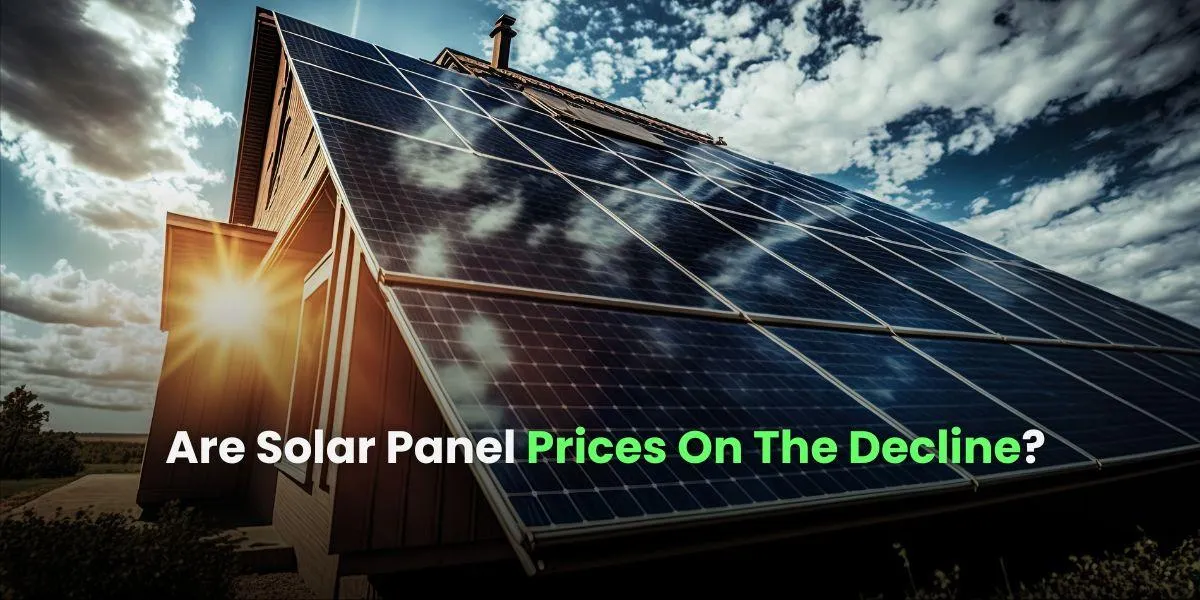
Are Solar Panel Prices On The Decline?
In recent years, the solar energy market has seen a significant shift in pricing, particularly as it relates to interest rates. Understanding why the price of solar panels tends to drop when interest rates increase is crucial for homeowners considering solar energy as a sustainable and cost-effective solution for their energy needs. This phenomenon is not coincidental but deeply rooted in economic principles and market dynamics. In this article, we delve into the reasons behind this trend and explore the financial tools available to homeowners when purchasing solar panels.
The Relationship Between Interest Rates and Solar Panel Pricing
Interest rates are a critical component of the financial markets, influencing various sectors, including the housing market, consumer spending, and investment in renewable energy sources like solar power. When central banks increase interest rates, borrowing costs rise, which can lead to a slowdown in economic activity as consumers and businesses cut back on spending and investment.
For the solar industry, higher interest rates initially seem detrimental as they increase the cost of financing solar panel installations. However, this situation also leads to a decrease in demand for solar panels, prompting manufacturers and sellers to lower prices to attract buyers. This price adjustment aims to offset the increased financing costs, making solar investments still appealing to homeowners despite the higher interest rates.
Moreover, when interest rates rise, solar energy companies and financing institutions may offer more competitive pricing and incentives to maintain their market share. They understand that the initial cost is a significant barrier to solar adoption, so by reducing the price of solar panels, they can keep the demand steady even when the overall economic conditions suggest a slowdown.
Financial Tools Offered to Homeowners for Solar Panel Purchases
In response to the fluctuations in interest rates and solar panel costs, several financial tools and programs have been developed to assist homeowners in purchasing solar panels:
Solar Loans: Many financial institutions and solar companies offer solar loans, which are specifically designed for purchasing and installing solar panels. These loans can come with fixed or variable rates, and some may offer promotional periods with lower interest rates to make the initial costs more manageable.
Leases and Power Purchase Agreements (PPAs): Homeowners can lease solar panels or enter into PPAs, where they pay for the electricity generated but do not own the panels outright. These options can reduce upfront costs and shift the responsibility for maintenance and repairs to the provider.
Federal and State Incentives: Governments often offer tax credits, rebates, and other incentives to reduce the net cost of solar panel installation. For example, the federal solar investment tax credit (ITC) allows homeowners to deduct a portion of their solar installation costs from their federal taxes, providing significant savings.
Net Metering Programs: Net metering allows homeowners with solar panels to sell excess electricity back to the grid, offsetting the cost of electricity they consume from the utility. This can significantly reduce the overall costs of solar energy over time.
Group Buying Programs: Some communities and organizations offer group buying programs, which allow multiple homeowners to purchase solar systems collectively at a discounted rate, reducing individual costs.
Home Equity Loans and Lines of Credit: Homeowners can also finance solar panel installations through home equity loans or lines of credit, which may offer lower interest rates than traditional loans or credit cards.
Conclusion
The drop in solar panel prices when interest rates increase is a market response designed to keep solar energy accessible and appealing to homeowners. By understanding this relationship and the financial tools available, homeowners can make informed decisions about investing in solar energy, taking advantage of lower prices and available incentives to reduce their environmental impact and energy costs in the long run. As the solar industry continues to evolve, these financial mechanisms play a pivotal role in promoting sustainable energy solutions for homeowners across the globe.

